
As technology rapidly evolves, businesses face the challenge of maintaining compatibility with aging software while meeting modern functional demands. Within this context, Microsoft Office 2010 remains a critical tool for many organizations. This article explores how to balance these competing needs effectively.
The Legacy of Office 2010
Launched over a decade ago, office 2010 introduced significant improvements in word processing and spreadsheet software. The suite provided users with enhanced features across its range of applications, including document editing and data analysis capabilities. Despite newer versions being available, many users still rely on office 2010 due to its reliability and familiarity. It has served as a cornerstone for countless businesses, enabling them to conduct their operations smoothly without the need for constant updates and changes.
Office 2010’s lasting appeal can be attributed to its user-friendly interface and robust functionality that meets the basic needs of most users. For those who have become accustomed to its layout and tools, transitioning to newer versions may seem daunting, especially when considering the learning curve associated with adapting to updated interfaces and altered functionalities. This comfort level keeps office 2010 relevant even today.
Key Features That Stand Out in Office 2010
Office 2010 brought vital enhancements in presentation tools and email client functionalities. The introduction of improved collaboration features made it easier for teams to work together on shared documents. For businesses, office 2010 was pivotal in streamlining operations through its comprehensive suite of applications. Features like conditional formatting in Excel and advanced graphic options in PowerPoint set new standards at the time of release.
The expanded capabilities within Outlook offered better organization tools, which significantly boosted productivity by allowing users to manage their emails more effectively. These innovations helped cement office 2010 as an indispensable tool in professional settings where efficiency is paramount.
Challenges with Compatibility
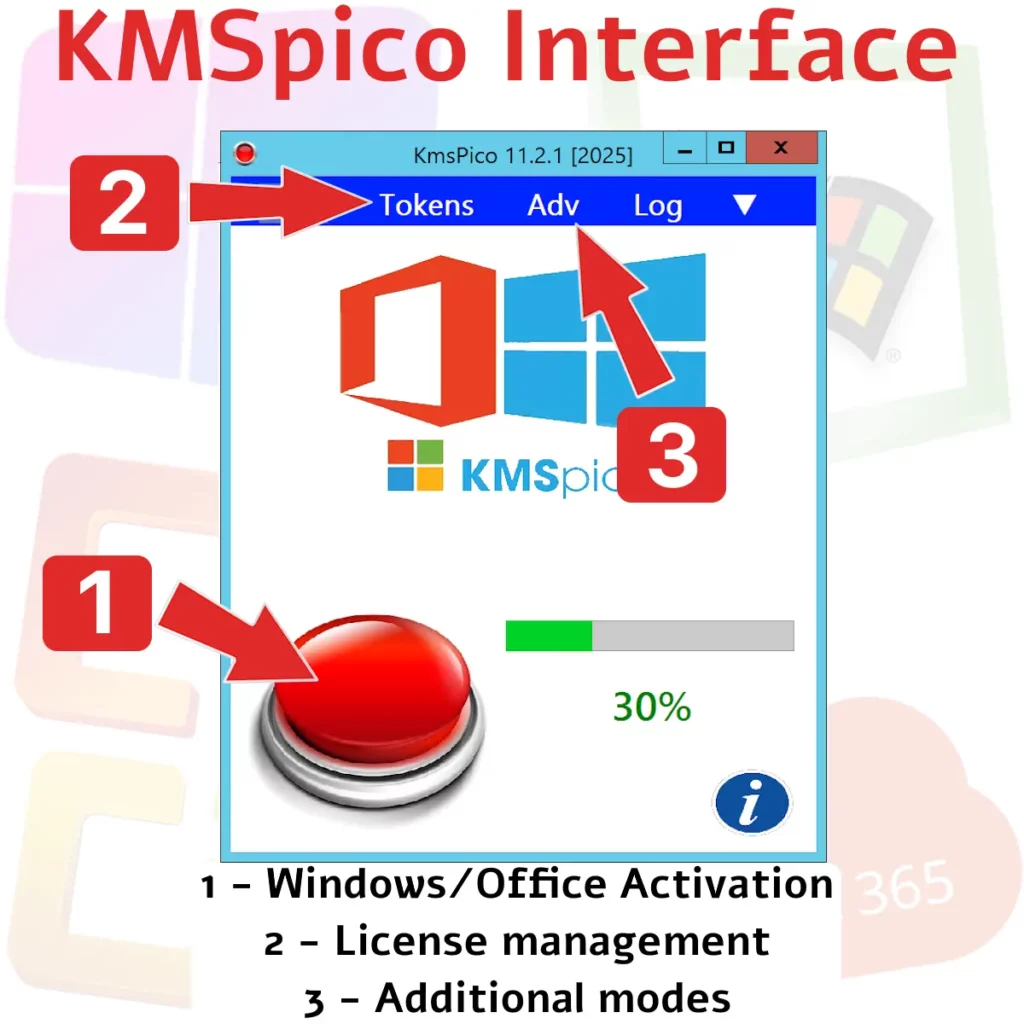
While office 2010 served its users well, it presents challenges when integrating with new systems like Windows 10. Users often seek solutions like kmspico for windows 10 or download kms pico to bridge the gap between old software versions and new operating environments. The lack of native support for newer file formats or cloud integration can hinder seamless workflow processes.
This compatibility issue requires IT departments to devise strategies that allow legacy systems like office 2010 to coexist with modern technologies without disrupting business operations. Often this involves using third-party tools or custom solutions that ensure interoperability between diverse systems.
Functional Constraints of Office 2010
Operating older software like office 2010 in modern IT ecosystems requires balancing resource allocation. For instance, when deployed on a virtual machine (VM) setup constrained to 2 vCPU and 4 GB RAM, performance issues may arise. Ensuring efficiency becomes crucial as resource-intensive tasks are executed using outdated infrastructure.
The limitations inherent in older software can lead to bottlenecks during peak usage periods or when handling complex data sets. As organizations grow and data demands increase, these constraints become more pronounced, necessitating either system upgrades or innovative workarounds to maintain productivity levels.
Office Suite’s Role in Document Management
The document editing capabilities of office 2010 continue to be utilized extensively. From creating complex spreadsheets to managing large-scale presentations, the suite provides essential tools that remain relevant despite their age. Many institutions still rely on these applications for daily tasks due to their proven track record.
The ease with which users can create polished documents makes office 2010 a staple in environments where documentation accuracy is critical. Despite newer alternatives offering advanced features, the straightforward nature of office 2010 ensures it remains a go-to solution for many professionals.
Data Analysis with Aging Software
Spreadsheets were revolutionized with office 2010’s improved data analysis tools. However, as datasets grow larger and more complex, the limitations of older software become apparent, prompting some users to look for alternative solutions such as kms activator or kms tools for modern function parity.
The need for real-time data processing and visualization has pushed some organizations towards adopting supplementary analytical platforms that complement the capabilities of office 2010 without completely replacing it. This hybrid approach allows businesses to leverage existing investments while embracing necessary technological advancements.
Modernization Considerations
Organizations must consider whether the benefits of retaining office 2010 outweigh the challenges posed by its limitations. Some businesses opt for incremental updates through solutions like download kmspico windows 10 to maintain operational continuity without fully migrating to newer software versions.
The decision-making process involves evaluating cost implications against potential productivity gains from upgrading systems entirely or partially integrating modern solutions alongside legacy setups. Each option presents unique advantages and drawbacks that must be carefully weighed before proceeding.
KMS Tools: A Contemporary Solution
Utilities such as descargar kmspico help bridge the gap between old software and current systems by providing activation capabilities aligned with modern operating requirements. These tools serve as vital aids in keeping legacy systems functional in contemporary contexts.
KMS tools offer flexibility by allowing organizations to extend the life cycle of their existing technology investments while gradually transitioning towards more advanced platforms at a manageable pace—a strategy that minimizes disruption while optimizing efficiency over time.
Migrating from Office 2010
The decision to migrate from office 2010 involves weighing factors such as cost, training needs, and compatibility concerns. Many organizations conduct thorough assessments before deciding whether to pursue comprehensive updates or continue utilizing trusted legacy solutions.
Migrating requires careful change management practices that address user adaptation challenges while ensuring minimal downtime during transitions—a critical factor for businesses dependent on uninterrupted access to essential applications for their daily operations.
The future landscape of technology integration will likely see continued reliance on both legacy systems like office 2010 and cutting-edge innovations working hand-in-hand within corporate environments. By strategically planning upgrades and leveraging tools that enhance existing infrastructures—such as kms activators—businesses can ensure they remain competitive while also protecting investments already made into established technologies.
Ultimately, balancing compatibility and functionality requires careful planning and strategic choices. By leveraging both established practices with office 2010 and adopting necessary upgrades or supplementary tools like kms activator, businesses can navigate the complexities of evolving technological landscapes effectively while preparing for future growth opportunities that align with organizational goals.